




Top 7 Eco-Friendly BBQ Fuel Options for Home Grilling: A Sustainable Guide
Fill Form Quote
Contact Info

Grilling is a timeless tradition, but with growing concerns about sustainability, it’s time to rethink how we fuel our BBQs. The shift toward eco-friendly BBQ fuels is not just a trend—it’s a meaningful way to enjoy outdoor cooking while reducing your environmental impact. These sustainable options are designed to burn cleaner, last longer, and often enhance the flavors of your favorite dishes. By embracing innovation in grilling fuels, we can create a balance between preserving tradition and protecting the planet, much like the benefits of AI innovations are reshaping industries for the better.
In this guide, we’ll explore the top seven eco-friendly BBQ fuel options that make home grilling a sustainable and enjoyable experience. From natural hardwood charcoal to renewable bioethanol gels, discover the best choices for your next barbecue and start grilling greener today!
What is Eco-Friendly BBQ Fuel?

Eco-friendly BBQ fuel refers to grilling fuels made from sustainable, renewable, or low-emission materials that minimize harm to the environment. Unlike traditional charcoal, which often comes from non-renewable sources and produces significant carbon emissions, these options are designed to leave a smaller environmental footprint.
To be considered eco-friendly, BBQ fuel must meet certain criteria:
- Renewability: Derived from sustainable resources such as wood waste or agricultural by-products.
- Low Emissions: Produces less carbon dioxide and pollutants when burned.
- Minimal Waste: Leaves less ash and residue behind, making cleanup easier and more sustainable.
Why Choose Eco-Friendly BBQ Fuels?
Switching to eco-friendly BBQ fuels offers both personal and global benefits:
- Environmental Impact: By reducing emissions and promoting sustainable resource use, eco-friendly fuels help combat climate change.reducing emissions and promoting sustainable resource use, eco-friendly fuels
- Health Benefits: Cleaner burning fuels produce fewer harmful chemicals, improving air quality and reducing exposure to toxins.reduci
- Flavor Enhancement: Many eco-friendly options, such as fruitwood charcoal, add distinct, natural flavors to your grilled dishes.
- Support for Innovation: By choosing sustainable products, you encourage companies to innovate in the realm of clean energy and sustainability.
If you’re based in NSW, Australia, making this switch is even more impactful, given the increasing local interest in protecting natural resources and promoting greener lifestyles.
The Top 7 Eco-Friendly BBQ Fuel Options

Let’s dive into the best eco-friendly BBQ fuel options to enhance your grilling experience while staying kind to the planet.
1. Natural Hardwood Lump Charcoal
Natural hardwood lump charcoal is made by burning wood in an oxygen-limited environment, leaving behind pure carbon. It’s free from additives and burns hotter and cleaner than traditional briquettes.
- Pros: High heat, natural flavor, minimal ash.
- Cons: Burns faster, so it requires frequent replenishment.
2. Coconut Shell Charcoal
Produced from discarded coconut shells, this renewable fuel is an excellent eco-friendly choice. It’s long-burning, produces little smoke, and adds a mild, sweet aroma to food.
- Pros: Renewable, low smoke, unique flavor profile.
- Cons: Can be slightly more expensive than traditional options.
3. Compressed Sawdust Briquettes
Made from sawdust, a by-product of wood processing, these briquettes are compact, efficient, and sustainable. They burn evenly and leave minimal residue.
- Pros: Renewable, clean-burning, affordable.
- Cons: May require a specific grill type for best results.
4. Bamboo Charcoal
Bamboo is one of the fastest-growing plants on Earth, making it an incredibly sustainable resource. Bamboo charcoal burns cleanly and lasts longer than many other fuel types.
- Pros: Highly renewable, long-burning, eco-friendly.
- Cons: Limited availability in some regions.
5. Charcoal from Fruitwood Trees
Fruitwood charcoal, such as apple or cherry, is a by-product of orchard maintenance. It burns with a delightful aroma and enhances the flavor of grilled foods.
- Pros: Sustainable, unique flavor.
- Cons: Limited to certain regions, slightly pricier.
6. Bioethanol Gel or Logs
Derived from plant-based ethanol, bioethanol gel or logs are smokeless, renewable, and perfect for small, controlled grilling setups.
- Pros: Smokeless, easy to light, renewable.
- Cons: Less traditional grilling experience, not suitable for all grill types.
7. Electric Grills with Renewable Energy
Though not a “fuel” in the conventional sense, using an electric grill powered by renewable energy is the cleanest option for grilling. It eliminates emissions entirely and ensures consistent heat.
- Pros: Zero emissions, easy to use.
- Cons: Requires access to renewable energy sources.
How to Choose the Best Option for Your Grilling Needs
The right choice of eco-friendly BBQ fuel depends on your specific grilling needs and preferences. Consider the following factors:
- Type of Grilling: For high-temperature grilling, natural lump charcoal or bamboo charcoal may work best. For slow-cooking, coconut shell charcoal or sawdust briquettes offer excellent burn times.
- Flavor Preferences: Opt for fruitwood charcoal if you want to infuse your dishes with unique flavors.
- Budget: Compressed sawdust briquettes provide a cost-effective alternative without compromising sustainability.
- Availability: Check local suppliers or online retailers in NSW for easy access to these options.
Tips for Using Eco-Friendly BBQ Fuels Effectively
Maximize the benefits of eco-friendly BBQ fuels with these practical tips:
- Proper Storage: Keep your fuel in a dry, cool place to ensure optimal performance.
- Safe Ignition: Use natural fire starters to avoid chemicals that may compromise the fuel’s eco-friendliness.
- Pair with the Right Foods: Experiment with different fuels to find the best pairings for various meats, vegetables, and fruits.
- Recycle Ash: Use the minimal ash produced as a soil conditioner in your garden.
FAQs
1. Are eco-friendly BBQ fuels as effective as traditional charcoal?
Yes, many eco-friendly fuels, like natural hardwood lump charcoal and coconut shell charcoal, burn hotter and longer than traditional options while producing less smoke.
2. Where can I buy sustainable BBQ fuels in NSW?
You can find these fuels at specialty grilling stores, online retailers, and eco-conscious markets in Australia.
3. Do eco-friendly fuels affect food flavor?
Some, like fruitwood charcoal, add unique flavors to your food, enhancing the grilling experience. Others, like bioethanol gel, are neutral.
4. Are these fuels more expensive?
While some eco-friendly options may have a higher upfront cost, their efficiency and sustainability often make them more cost-effective in the long run.
5. Can I use eco-friendly fuels in any grill?
Most eco-friendly fuels work in standard grills, but check compatibility for specific types like bioethanol gel or compressed briquettes.
6. Is switching to eco-friendly BBQ fuels worth it?
Absolutely. By making the switch, you contribute to a healthier planet while enjoying clean-burning, high-performing fuels.

Conclusion
The way we grill says a lot about our values. By choosing eco-friendly BBQ fuels, you’re not only improving your grilling game but also taking a stand for sustainability. Whether it’s the long burn of bamboo charcoal, the renewable benefits of coconut shells, or the unique flavors of fruitwood, each option offers a path to a greener future.
Ready to make a change? Start by exploring these sustainable options and transform your next BBQ into a celebration of flavor and responsibility. Happy grilling!
Showing 1–1 of 85 results
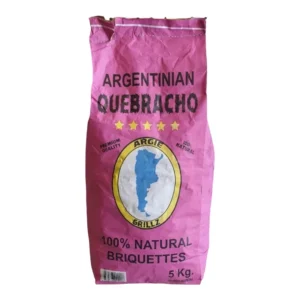
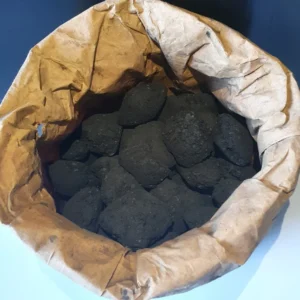

Custom Fabrication Service
Argie Grillz offers custom fabrication service to custom make Argentinian Style Parrilla/BBQ and grills to size.

Premium Quality Assurance
Argie Grillz is committed to delivering premium quality products, especially when it comes to charcoal.

Authentic Argentine Experience
Argie Grillz's focus on importing traditional Argentinian Lumpwood Charcoal and designing Parrilla/BBQ.